Posted on 8/29/2026
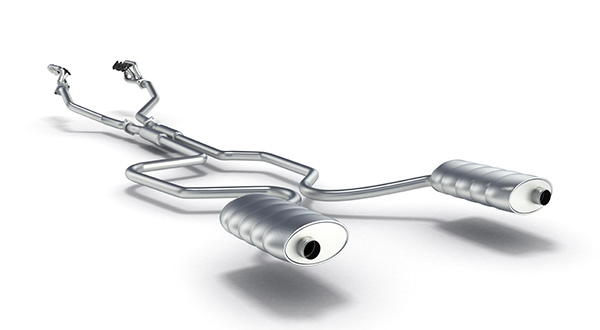
The number of visible exhaust pipes does not tell you exactly how powerful, efficient, or expensive a vehicle is. Some engines operate with one complete exhaust path, while others use two separate paths or split one system into two outlets near the rear bumper. Exhaust design depends on engine layout, airflow needs, available space, sound targets, emissions equipment, and appearance. Two tailpipes may indicate a true dual-exhaust system, but they may also be connected to a single pipe farther forward. What The Exhaust System Does The exhaust system carries burned gases away from the engine and passenger compartment. It also reduces sound, supports emissions control, and helps the engine operate within its intended airflow range. A typical system may include: Exhaust manifolds or headers Turbocharger outlets on equipped engines Catalytic converters Oxygen sensors Exhaust pipes Resonators Mufflers Tailpipes Each section is sized and positioned for the engine ... read more
Posted on 7/31/2026
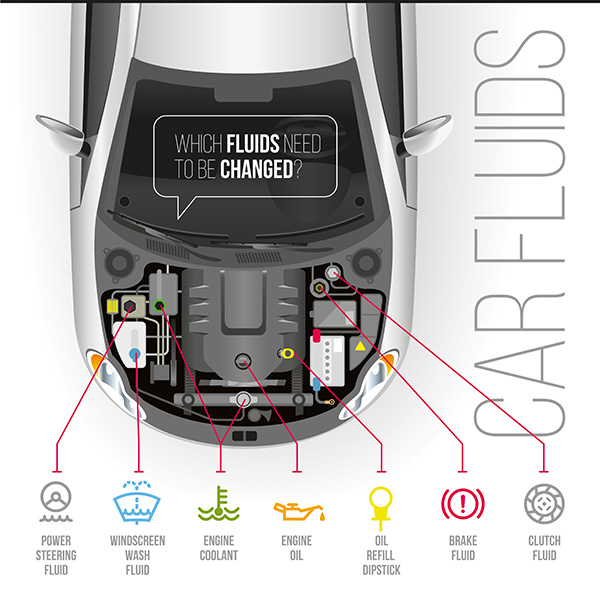
Old fluids usually do not make a big announcement. They do not always make noise right away, and they may not trigger a warning light until something is already wrong. The car keeps driving, so the fluid gets ignored. That is the problem. Engine oil, coolant, transmission fluid, brake fluid, power steering fluid, gear oil, and differential fluid all do more than fill space. They clean, cool, lubricate, seal, regulate pressure, and carry heat away from parts that are expensive to replace. When those fluids age, the wear often starts quietly inside the system. Engine Oil Gets Dirty Before The Engine Sounds Bad Engine oil has a hard job. It lubricates bearings, timing components, camshafts, piston rings, turbochargers on equipped vehicles, and many small passages that need clean flow. It also carries away heat and holds contaminants until the next oil change. As oil ages, it gets thinner, dirtier, and less protective. Fuel dilution, heat, moisture, soot, and oxidation ... read more
Posted on 6/26/2026

Hyundai vehicles can hold up well for many drivers, but mileage changes the way any vehicle behaves. Parts wear, fluids age, rubber seals harden, and small symptoms begin showing up in places that used to feel normal. The key is catching those changes before they turn into larger repairs. Some Hyundai issues are easy to notice, such as brake noise or a dashboard warning light. Others are quieter, like oil consumption, early suspension wear, or a small coolant leak. Paying attention to the early clues helps keep the vehicle more dependable as the miles climb. 1. Engine Oil Consumption Oil consumption can become more noticeable as some Hyundai engines age. The vehicle may not leave a puddle, and the exhaust may not smoke all the time. Instead, the oil level slowly drops between services, and the driver only finds out when the engine gets noisy or a warning appears. Low oil is hard on timing components, bearings, camshafts, and other internal parts. If the oil level k ... read more
Posted on 5/29/2026

Choosing a mechanic for your Kia can seem simple until the vehicle starts showing a problem that isn't obvious. A warning light, rough idle, delayed shift, or strange noise can point in several directions. The right shop should know how to narrow that down without turning the repair into a parts-changing exercise. Kia vehicles have their own patterns, service needs, and diagnostic details. A good Kia mechanic understands both the basics and the brand-specific issues that show up with mileage, age, and driving habits. Why Kia Experience Matters A Kia is not difficult to service when the technician understands the vehicle. The trouble comes when someone treats every symptom the same way across every brand. A check engine light, charging issue, oil leak, or transmission complaint can have several possible causes, and Kia models exhibit certain patterns that an experienced technician will recognize more quickly. That experience saves time. It helps the shop know wh ... read more
Posted on 4/30/2026
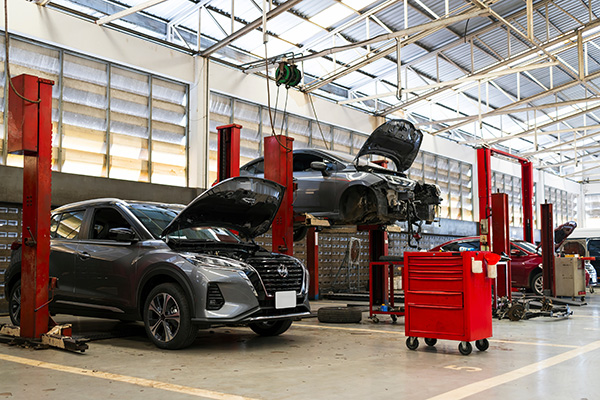
Not every repair shop works the same way, especially when it comes to specific vehicle brands. Nissan vehicles have their own systems, common patterns, and service needs. Choosing the right shop can make a noticeable difference in how accurately problems are diagnosed and how well repairs hold up over time. A good choice here saves time, reduces repeat visits, and keeps the vehicle performing the way it should. What Experience With Nissan Vehicles Really Means A shop that regularly works on Nissan vehicles tends to recognize patterns faster. Certain engines, transmissions, and electrical systems develop familiar issues over time. Experience helps shorten the process of finding the cause instead of working through trial and error. That does not mean other shops cannot work on your car. It means a Nissan-focused background can lead to more efficient and accurate repairs ... read more